The consumer genomics industry has spent a decade making promises. Unlock your ancestry. Discover your health risks. Understand your DNA. What it hasn't done — with notable exceptions — is tell customers what it's actually doing with their data, what the limitations of its products are, and what happens when the business model stops working.
In 2025, 23andMe filed for bankruptcy. Fifteen million people's genetic data entered a court-supervised sale process. State attorneys general issued public warnings. Customers scrambled to delete their accounts. And the rest of the industry largely stayed quiet.
That silence is part of the problem.
The three transparency gaps
1. What the test actually reads
Most consumer DNA tests use genotyping — a technology that reads approximately 0.01% of your genome. This is not disclosed prominently. Marketing language like "DNA test," "genetic insights," and "health reports" creates the impression of comprehensiveness. In reality, genotyping checks a pre-selected list of known markers and misses everything else: rare variants, structural changes, non-coding regions, and novel mutations.
This distinction isn't academic. Patients have received "negative" results from consumer tests and assumed they were clear — only to discover later, through clinical-grade testing, that they carried pathogenic variants the consumer test was never designed to detect.
2. Where the data goes
Several major consumer genomics companies have monetized customer genetic data through partnerships with pharmaceutical companies — GlaxoSmithKline's $300 million deal with 23andMe being the most publicized example. While these partnerships were technically disclosed in terms of service, research consistently shows that most customers were unaware their DNA data was being used for commercial drug development.
The transparency failure isn't that partnerships exist — genomic research partnerships can accelerate drug discovery. The failure is that customers didn't have a clear, honest understanding of what they were consenting to.
3. What happens when the company fails
This is the gap the 23andMe bankruptcy exposed. Under US law, there is no federal framework specifically protecting genetic data during a corporate bankruptcy or acquisition. The Genetic Information Nondiscrimination Act (GINA) prevents discrimination by health insurers and employers, but it says nothing about what happens to your DNA records when the company holding them enters a court-supervised sale.
This means that every privacy promise made by a US-based genomics company is structurally contingent on the company's continued existence. If the company is sold, acquired, or goes bankrupt, the data can follow.
What higher standards look like
Transparency in genomics isn't complicated. It requires answering five questions clearly and prominently — not buried in terms of service:
- What technology does this test use, and what percentage of the genome does it read? Genotyping, exome sequencing, and whole genome sequencing are fundamentally different technologies with different capabilities. Customers should know which one they're buying.
- Where is the data processed, and under which country's data protection laws? Jurisdiction determines protection. EU-processed data under GDPR has enforceable protections that US-processed data does not.
- Is the data shared with third parties, and for what purposes? If genetic data is used for pharmaceutical research, that should be disclosed in plain language at the point of purchase — not in paragraph 47 of a privacy policy.
- Can the customer delete their data permanently? Not deactivate. Not archive. Delete. And is there a legal obligation to comply?
- What happens to the data if the company is sold or goes bankrupt? If the honest answer is "we don't know," that should be stated clearly.
Where Dante Labs stands
We're writing this article because we believe transparency should be an industry standard, not a competitive advantage. But since it isn't an industry standard yet, here's where we stand:
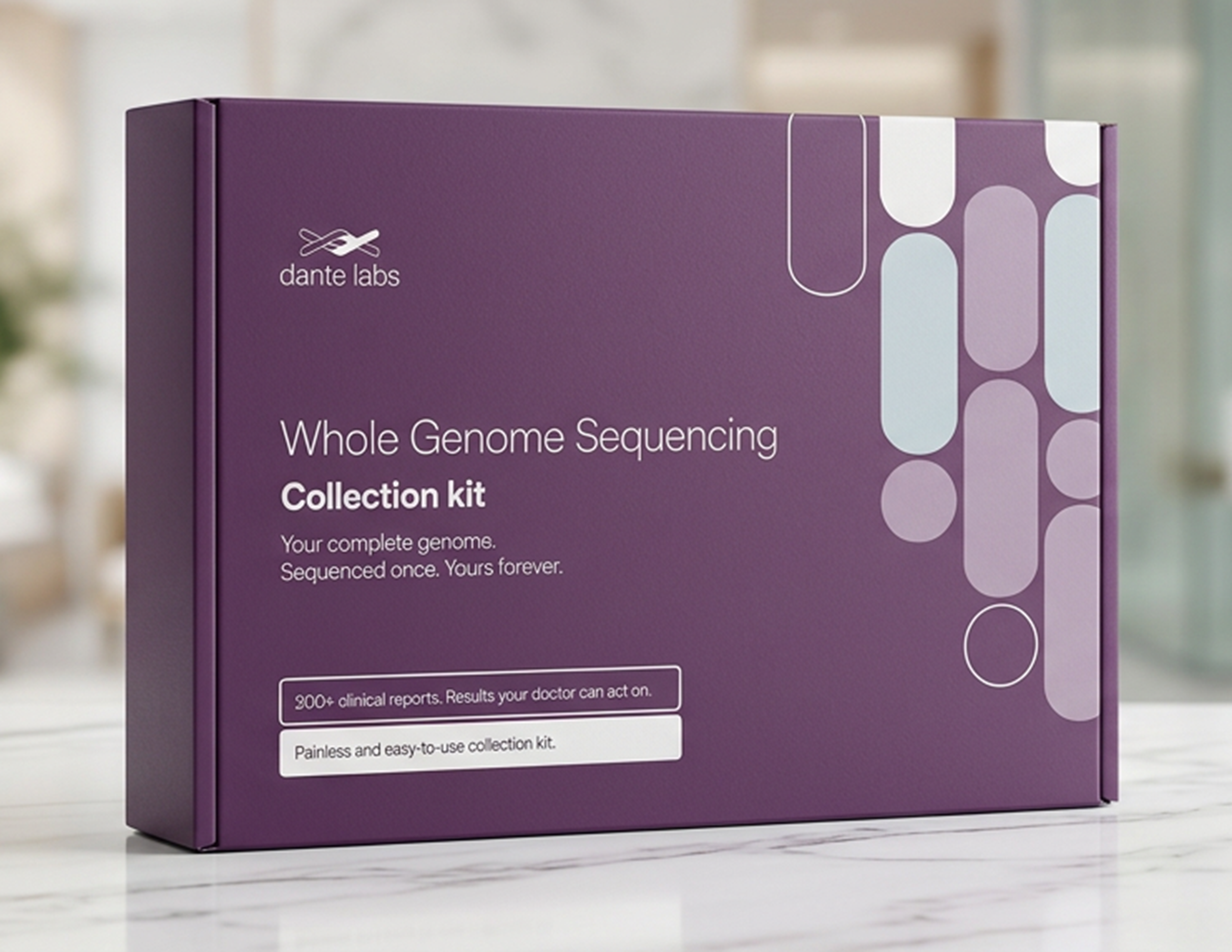
- Technology: Dante Labs offers 30X whole genome sequencing — reading 100% of your genome, not 0.01%.
- Jurisdiction: Every genome is processed in our partner laboratory in Italy, under GDPR. Your genetic data is classified as "special category data" — the highest protection tier in European law.
- Data sharing: Your genetic data is not sold to pharmaceutical companies, data brokers, or third parties.
- Deletion: You can request permanent deletion at any time. Dante Labs is legally required to comply within 30 days under GDPR.
- Corporate events: Under GDPR, any successor entity — through acquisition, merger, or restructuring — is bound by the same data protection obligations under which the data was originally collected. This is law, not policy.
Why this matters now
The genomics industry is entering a period of significant growth. Sequencing costs are falling. Consumer awareness is rising. And the technology itself is becoming genuinely useful for clinical decision-making. This is the moment to establish the standards that will define how this industry operates for the next decade.
Transparency is not a marketing strategy. It's a prerequisite for the trust that genomic medicine requires. Every company in this industry — including Dante Labs — should be willing to answer the five questions above, clearly, and in public.
Read our full Privacy & Data Governance page →
Get new posts from Dante Labs
Genomics insights, product updates, and clinical perspectives — delivered to your inbox.